
Facelift

As we age, changes in the face such as sagging skin, deep lines, and loss of definition along the jawline can make us look more tired or older than we feel. A facelift, also known as a rhytidectomy, is a procedure designed to reduce or eliminate facial wrinkles, sagging skin, and excess fat in the lower two-thirds of the face and the upper neck area.

Dr. Robert Taylor and Dr. Dominic Massary perform advanced facelift techniques with natural-looking results to improve these aesthetic concerns for a refreshed and rejuvenated appearance. Notably, Dr. Taylor completed a craniofacial surgical fellowship at the International Craniofacial Institute in Dallas, TX, granting him an enhanced understanding of the structures of the face and skull. He currently serves as the Director of the Cleft and Craniofacial Center of NWA, where he helps patients with complex head and neck abnormalities—including traumatic injuries and birth defects—enhance their self-confidence and improve their quality of life. Our entire team is dedicated to helping patients achieve their goals in a safe and affirming environment, and we encourage you to contact us today with any questions you may have.

Facelift Quick Facts

  • Procedure: Approximately three to four hours
  • Sedation: General or local anesthesia
  • Recovery: About two to four weeks
  • Principle Benefits: A more youthful appearance with tauter skin & less wrinkles

What Are the Benefits of a Facelift?

Women and men interested in reversing signs of aging to achieve a more rested, youthful appearance can benefit in many ways from facelift surgery, including:

  • Improving progressive signs of aging in the lower two-thirds of the face
  • Correcting sagging skin and tissues along the jawline and neck areas
  • Reducing folds, lines, and wrinkles around the mouth
  • Diminishing excess fat under the chin
  • Achieving long-term results that typically last a decade or more
  • A natural-looking outcome that preserves natural facial characteristics

Depending on the cosmetic areas of concern, our plastic surgeon will be able to determine if facelift surgery, or an alternative procedure, will be the best treatment for your aesthetic goals.

Who Is a Good Candidate for a Facelift?

A facelift can often be an excellent option for:

  • Individuals experiencing moderate to significant skin laxity in the lower face and neck
  • Those with deep creases, jowls, or loss of definition along the jawline
  • Patients who are in generally good overall health and are able to undergo surgery safely
  • Non-smokers, or those willing to stop smoking before and after the procedure
  • Individuals with realistic expectations about what facelift surgery can achieve
  • Patients seeking long-lasting results that go beyond what non-surgical treatments can provide

Ultimately, the best way to determine candidacy is through a personalized consultation, where your concerns, anatomy, and goals can be carefully evaluated.

If you are considering facelift surgery and would like to learn whether it is right for you, please contact Taylor Plastic Surgery today to schedule your private consultation.

What Happens During the Facelift Consultation?

During your initial consultation, one of our plastic surgeons will examine the texture, thickness, and elasticity of your facial skin. They will also analyze the severity of wrinkles and folds. All of these factors, including your underlying tissues and bone structure, will help determine an individualized surgical plan.

If you have additional cosmetic concerns, our doctor may discuss other facial procedures for more comprehensive improvement. For example, a facelift is commonly combined with eyelid surgery, brow lift surgery, rhinoplasty (nose reshaping), or skin treatments to create a more youthful and refreshed look. Please see our “Procedures that Complement Facelift Surgery” section below for more information.
  

What Does Facelift Surgery Involve?

Our plastic surgeon performs facelift procedures in our fully accredited, state-of-the-art on-site surgery center in Fayetteville, AR. Before your surgery, general anesthesia is administered, so you are completely comfortable throughout the procedure. For your safety, we closely monitor your heart rate, blood pressure, and the amount of oxygen in your blood to ensure stability during surgery.

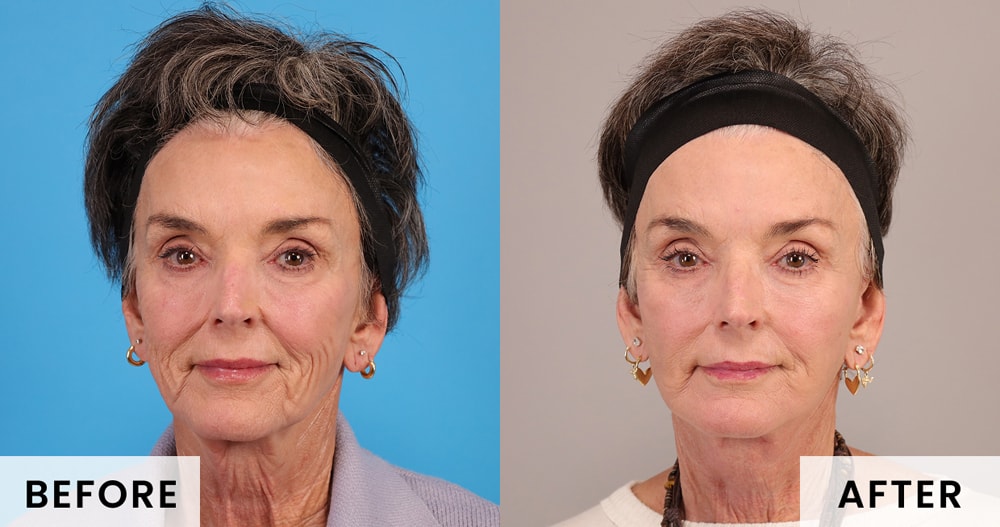
During the facelift procedure, small incisions are usually placed along the hairline and around the ears, to carefully tighten facial tissues and trim/remove excess fat before strategically redraping the skin to complete the procedure. Depending on the surgical technique used and specific goals of the patient, facelift surgery generally takes about three to four hours to complete.

After your facelift is complete, you will be taken to a recovery area. Bandages will be wrapped around your face at the incision sites. In some cases, small tubes are used to drain fluid buildup beneath the skin. Most patients feel minimal discomfort after their facelift. Our plastic surgeon performs facelifts as outpatient procedures, meaning patients can return home a few hours after surgery.

What Can I Expect During Facelift Surgery Recovery?

The surgical dressings and drains will most likely be removed the day after surgery during the first follow-up appointment. Symptoms such as swelling, bruising, stiffness, and soreness are to be expected for about the first week post-surgery, but can typically be managed with oral medication taken as prescribed. When resting or sleeping, your head should be elevated with a firm cushion rather than a regular pillow to avoid putting pressure on the sutures around the ears. After around seven days, the sutures are removed, and many patients are able to return to work. In most cases, patients may resume their regular activities and exercise routines after about four weeks. The final results of your facelift procedure usually settle about two to three months after surgery.

How Long Will Facelift Results Last?

Although the aging process is unavoidable, facelift results are often enjoyed by patients for 10 years or even longer. To help prolong the results, our doctor recommends practicing good skin care with products containing high-quality ingredients, limiting sun exposure, wearing sunscreen, eating a healthy diet, getting adequate rest, and refraining from smoking. Additionally, non-surgical rejuvenation, such as BOTOX® Cosmetic and other injectables, can help to smooth fine lines and wrinkles that can appear again over time.

Facial Fat Grafting

Facial fat grafting, also known as fat transfer, is another procedure designed to enhance a patient’s appearance and restore youthful volume to the face using a patient’s own fat. During treatment, fat is carefully removed from another area of the body, such as the abdomen or thighs. It is then purified and strategically injected into areas like the cheeks, temples, or under-eye region.

This fat injection technique can soften wrinkles, improve facial contours, and enhance overall facial harmony. Since the fat comes from your own body, the results can look and feel very natural. Facial fat grafting is often performed on its own or combined with other facial rejuvenation procedures for more comprehensive results.

Will There Be Scars After Facelift Surgery?

Facelift surgery does involve small incisions, so some scarring is expected. However, experienced plastic surgeons like our doctors at Taylor Plastic Surgery carefully place these incisions in discreet areas, such as along the hairline and around the ears, to help keep scars well concealed. As the skin heals, most scars fade significantly over time and usually become difficult to notice. Following post-operative care instructions, protecting the skin from sun exposure, and allowing adequate healing time can all help support optimal scar healing and appearance.

Procedures that Complement Facelift Surgery

Facelift surgery may be combined with other surgical and/or non-surgical facial procedures for a more significant improvement. Some of the most common additional procedures may include eyelid surgery (blepharoplasty) to refresh droopy or puffy eyes, brow lift surgery to reposition eyebrows and smooth forehead creases, rhinoplasty to reshape the nose and balance facial features, dermal fillers to restore volume in the face and lips, and many other options. Our plastic surgeon will be able to create a more comprehensive plan after an initial consultation and thorough evaluation on an individual basis.

Are There Alternatives to Facelift Surgery?

There are several non-surgical and minimally invasive alternatives to facelift surgery that may help address early signs of aging. Treatments such as dermal fillers can help restore lost facial volume, while cosmetic injectables like BOTOX® Cosmetic can reduce the appearance of dynamic wrinkles. Skin-tightening procedures using radiofrequency or ultrasound energy may also improve mild skin laxity by stimulating collagen production. Additionally, treatments like laser resurfacing or chemical peels can enhance skin texture and tone.

While these options can provide noticeable rejuvenation with little to no downtime, their results are typically more subtle and temporary compared to a surgical facelift.

How Much Does a Facelift Cost?

The cost of a facelift can vary depending on several factors. Pricing often reflects the surgeon’s experience and credentials, the geographic location of the practice, and the complexity of the procedure. Additional elements, such as anesthesia fees, facility costs, and whether complementary treatments are performed at the same time, may also influence the total price. As every patient’s needs and goals are unique, a personalized consultation can help when it comes to determining the most appropriate surgical plan and providing an accurate estimate. During this visit, our team can review the expected costs and explain what is included in the overall treatment plan.

We also offer plastic surgery financing options for qualified applicants. These options can help make payments more manageable and procedures more accessible.

If you would like more information about facelift surgery or if you are ready to schedule a consultation, please contact Taylor Plastic Surgery today.

Medical Resources:

ASPS: Facelift Surgery
RealSelf: Facelift Surgery: The Ultimate Guide